Rue Anemone
Thalictrum thalictroides
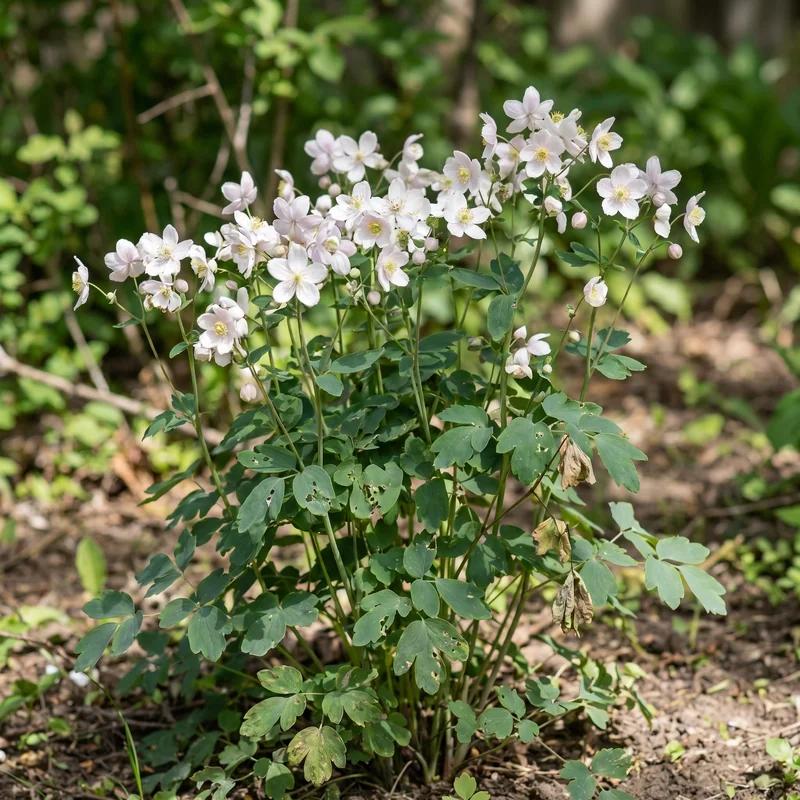
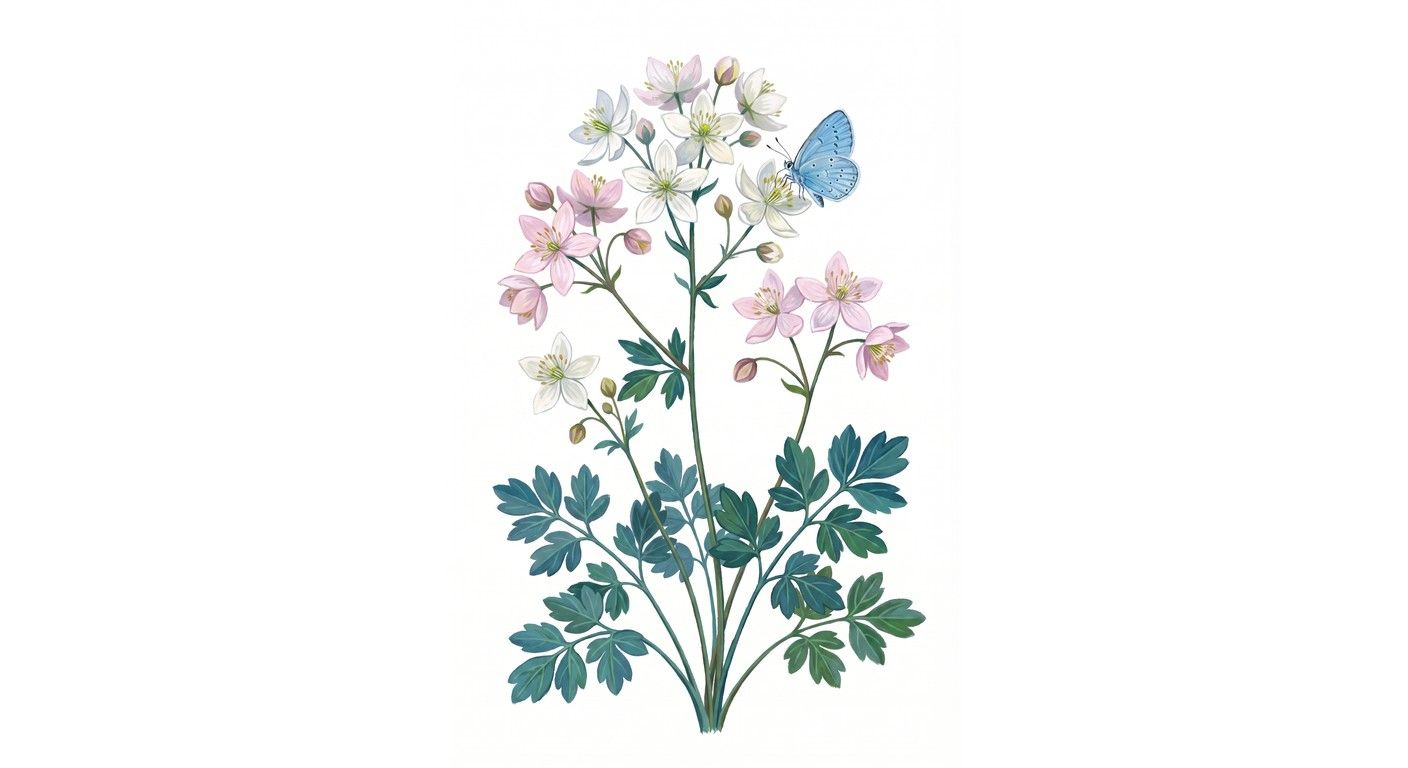
Rue anemone is one of the most delicate-looking native wildflowers in the spring woodland -- tiny white to pale pink cup-shaped flowers on thread-thin stems, trembling at any air movement, opening in March and April alongside trout lily and spring beauty. The flowers last for weeks, persisting longer than most spring ephemerals, and the three-lobed leaflets have a blue-green color that remains attractive even after blooming ends. The plant goes dormant by midsummer. It's small enough to tuck into the spaces between large woodland plants, naturalizing slowly by seed and tuber offsets to form loose colonies over years. The tubers can be divided in late summer for spreading to new locations. A quiet, precious plant for gardeners who pay attention to the smallest details of their woodland floor.
We grow a range of sizes and prices. Add the plant to your list, then pick your size when you visit.
Final price confirmed at pickup, depends on size and season.
- Thu, Jul 238 AM – 4 PM
- Fri, Jul 248 AM – 4 PM
- Sat, Jul 258 AM – 2 PM
A nursery-grown plant, ready for the ground.
Healthy, container-grown rue anemone propagated on-site at Hill House from regional genetics. Includes a one-page care card. We make every effort to supply plants as listed; occasionally we substitute a similar species of equal value.
- Sun
- Part sun
- Water
- Dry
- Mature size
- 4"–9"
- Bloom
- White to pale pink flowers March through May; blue-green foliage through early summer; dormant through fall
- USDA zones
- 4-8
Pairs well with these.
Same light, same soil, same wildlife. Janet's picks to plant alongside rue anemone.
Or skip the guesswork.
Curated packages bundle 9–12 species that work together. One reservation, one pickup day, a printed layout map.
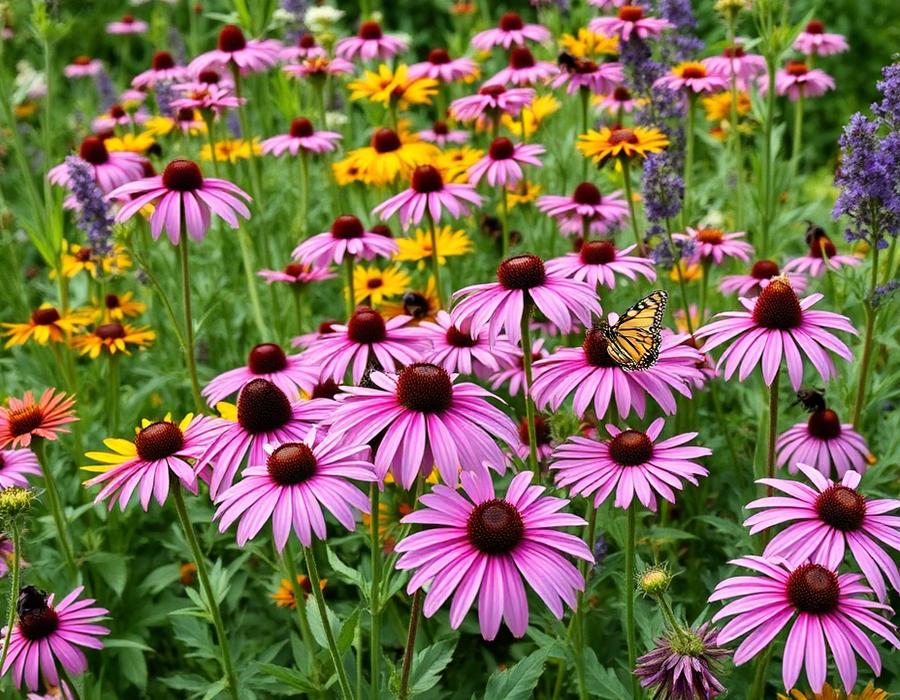
Butterfly Package
Host and nectar plants chosen to feed monarchs, swallowtails, and fritillaries spring through fall.
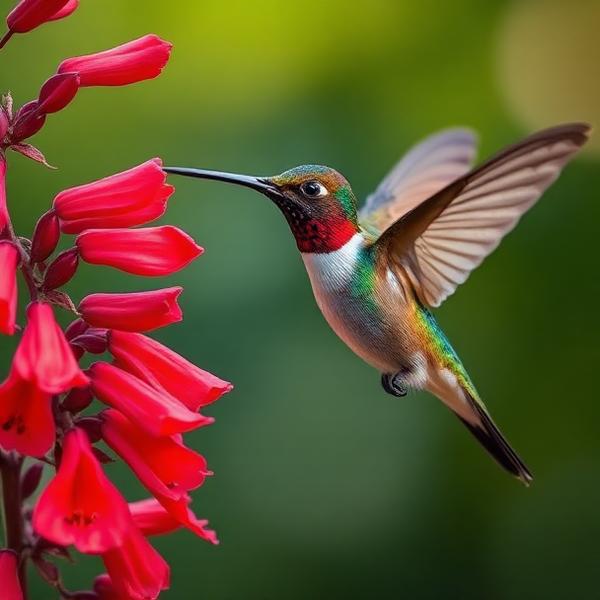
Hummingbird Package
Tubular-flowered natives that pull ruby-throats through your yard April through October.
S.O.S. Package
Save Our Songbirds, berry- and seed-bearing natives that feed nesting and migrating birds.