Spotted Joe-Pye Weed
Eutrochium fistulosum
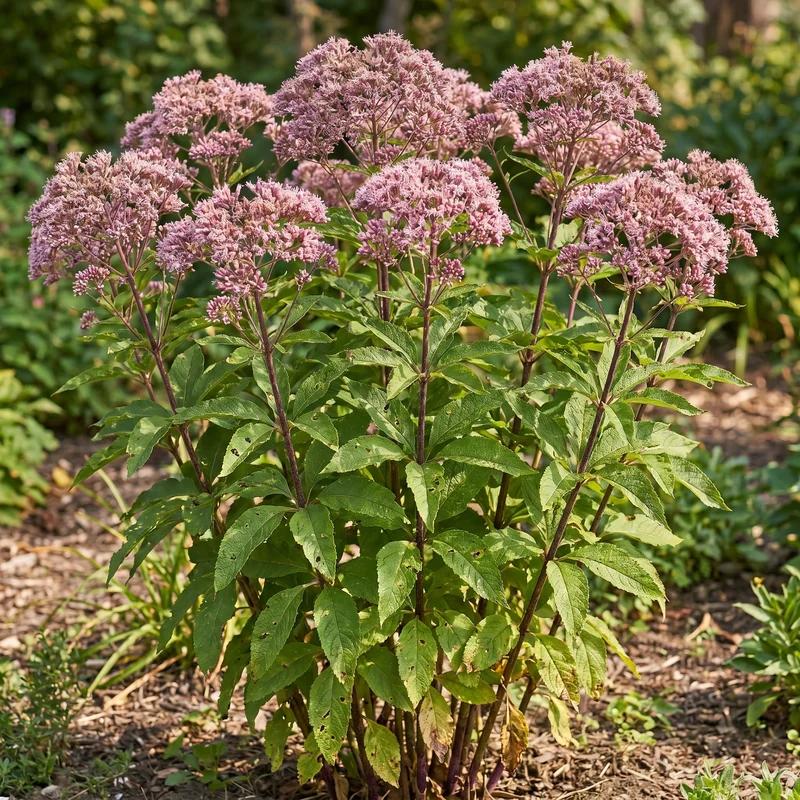
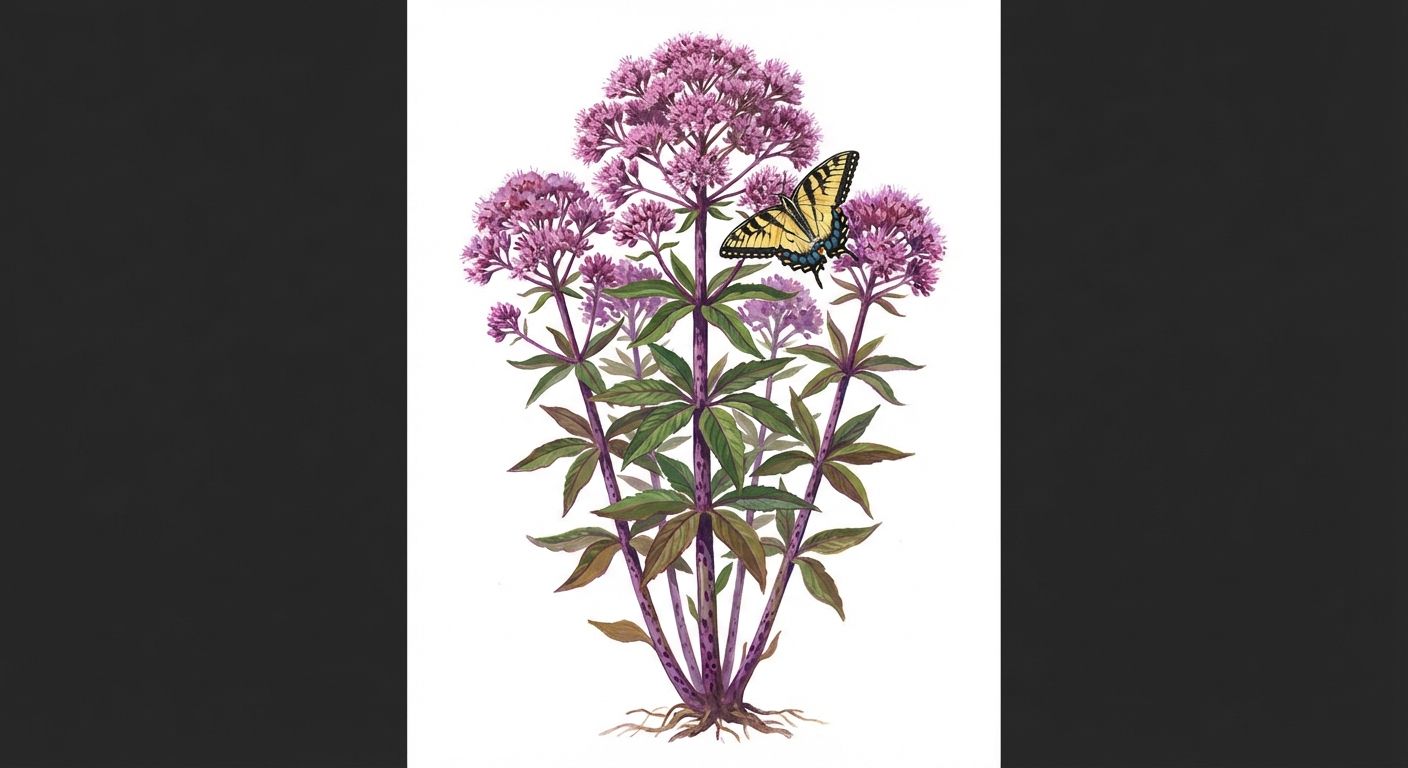
Hollow Joe-Pye Weed is the tallest of the genus and one of the most architecturally impressive native plants you can grow. The sturdy, hollow purple-spotted stems (the source of its common name) can reach eight feet in good moist soil, topped with massive domed clusters of dusty pink flowers that are visible from a distance and swarming with butterflies in August. The purple spotting on the stems is ornamental in its own right. no other native has quite that combination of height, stem color, and flower massing. It's an authentic moist-site plant, preferring stream margins, rain gardens, and low wet spots where it can fully express its height. Use it as a back-of-border anchor or a screening element in a large naturalistic planting. The combination of its height, monarch attraction, and late-season interest makes it one of the most ecologically productive native plants per square foot of garden space.
We grow a range of sizes and prices. Add the plant to your list, then pick your size when you visit.
Final price confirmed at pickup, depends on size and season.
- Thu, Jul 238 AM – 4 PM
- Fri, Jul 248 AM – 4 PM
- Sat, Jul 258 AM – 2 PM
A nursery-grown plant, ready for the ground.
Healthy, container-grown spotted joe-pye weed propagated on-site at Hill House from regional genetics. Includes a one-page care card. We make every effort to supply plants as listed; occasionally we substitute a similar species of equal value.
- Sun
- Full sun
- Water
- Moist
- Mature size
- 5'–8'
- Bloom
- Late summer blooms (August–September); ornamental purple-spotted stems; bold winter structure
- USDA zones
- 4–9
Pairs well with these.
Same light, same soil, same wildlife. Janet's picks to plant alongside spotted joe-pye weed.
Or skip the guesswork.
Curated packages bundle 9–12 species that work together. One reservation, one pickup day, a printed layout map.
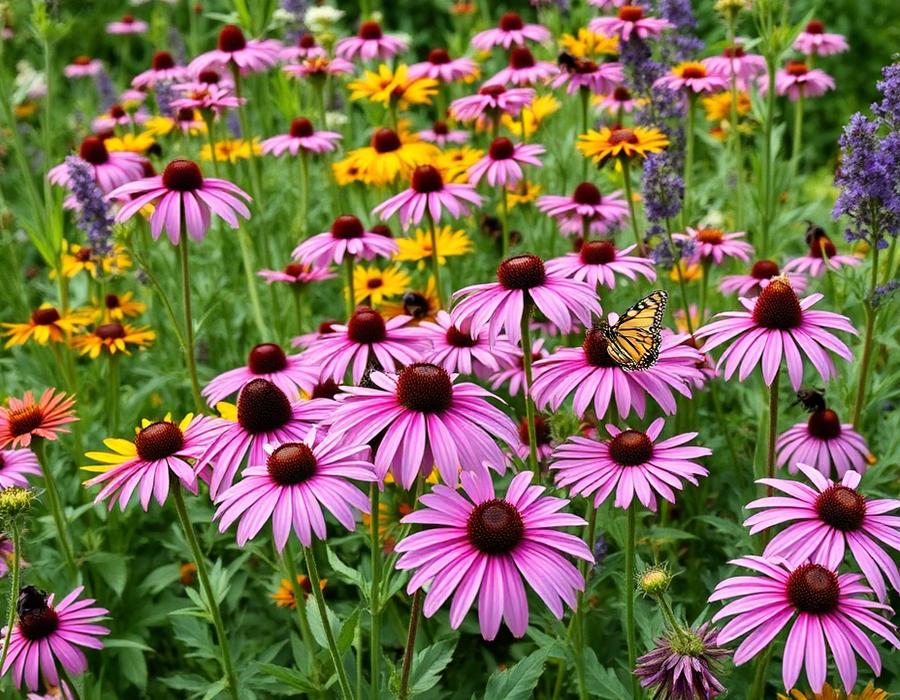
Butterfly Package
Host and nectar plants chosen to feed monarchs, swallowtails, and fritillaries spring through fall.
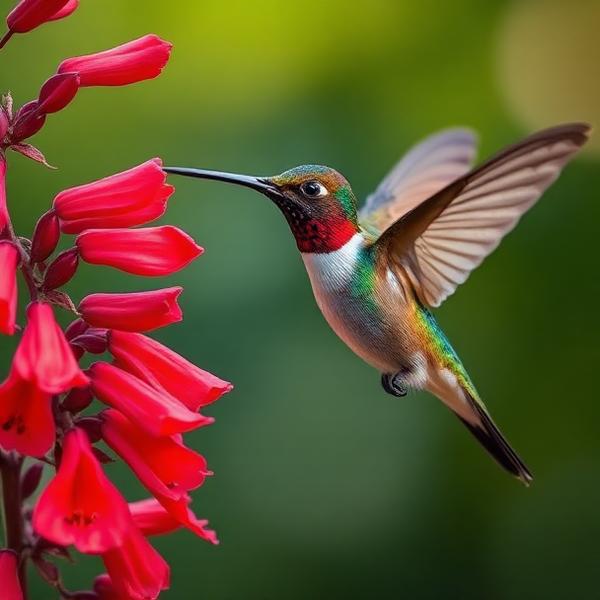
Hummingbird Package
Tubular-flowered natives that pull ruby-throats through your yard April through October.
S.O.S. Package
Save Our Songbirds, berry- and seed-bearing natives that feed nesting and migrating birds.