Broomsedge
Andropogon virginicus
Amber-copper stems and silky seedheads that catch low winter light. Thrives on poor, dry soils and feeds songbirds all winter.
Typically 1 pint–1 gal · $9–$30 · final price at pickup
- Thu, Oct 158 AM – 4 PM
- Fri, Oct 168 AM – 4 PM
- Sat, Oct 178 AM – 2 PM
That amber-copper winter glow is hard to match, and it holds the seeds that winter birds depend on when everything else is bare.
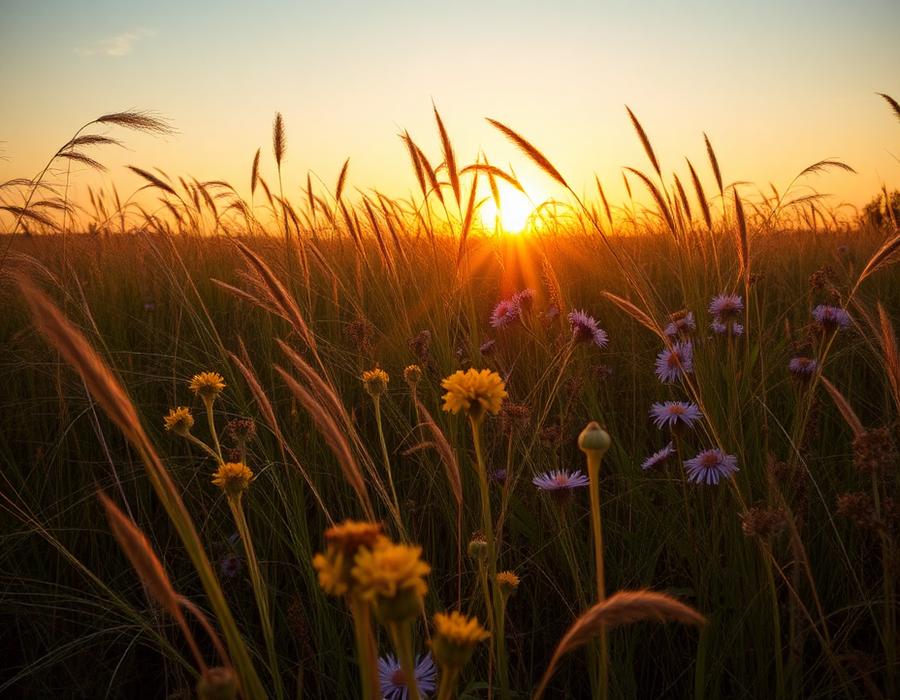
Broomsedge lights up in fall and winter like few other native plants. The upright stems turn a warm, glowing amber-copper as temperatures drop, and the fluffy, silky seedheads catch low winter light with a luminosity that photographs don't quite capture. In a meadow planting or along a sunny slope, a stand of Broomsedge in November is genuinely stunning. It's also a workhorse for difficult sites. Poor, dry, acidic soils are where it thrives; fertile, moist soils tend to make it floppy and less attractive. Banks, roadside slopes, and sunny cleared areas are its natural home. It colonizes disturbed ground quickly, holding soil and establishing habitat where other plants won't yet grow. Songbirds, Cardinals, Goldfinches, and sparrows especially, strip the cottony seedheads through winter. The dense clumps also provide nesting material and overwintering habitat for beneficial insects. Cut it back to 4 inches in late winter before the new growth cycle begins.
A nursery-grown plant, ready for the ground.
Healthy, container-grown broomsedge propagated on-site at Hill House from regional genetics. Includes a one-page care card. We make every effort to supply plants as listed; occasionally we substitute a similar species of equal value.
Plant broomsedge instead of Japanese barberry (Berberis thunbergii), multiflora rose (Rosa multiflora) in rough open areas. Same job in the garden, without the spread.
- Sun
- Full sun
- Water
- Dry
- Mature size
- 2–4 ft · 12–18 in wide
- USDA zones
- 5–9
- Family
- Poaceae
- Native range
- Eastern and central United States, from Massachusetts south to Florida and west to Kansas
Care notes for broomsedge.
Plant in full sun in dry to average, well-drained to poor soil. Thrives on neglect. avoid fertilizing or overwatering, which causes floppy growth. Cut back to 4 inches in late winter. Self-seeds freely on bare, disturbed ground; monitor spread in manicured settings. Excellent for slopes and problem areas.
Pairs well with these.
Same light, same soil, same wildlife. Janet's picks to plant alongside broomsedge.
Or skip the guesswork.
Curated packages bundle complementary species for an instant habitat. One reservation, one pickup day, a printed layout map.
Skyline Drive Package
This package celebrates the world renowned “Skyline Drive” by featuring native plant species encountered along the Skyline Drive in Shenandoah National Park.
Piedmont Rain Garden Package
For homeowners with a yard that floods when it rains, this package is your solution! The Piedmont Swale Garden Package is comprised of flood tolerant species that will thrive in wet soils.
Exceptional Patio Garden Package
The Exceptional Patio Garden Package is a low maintenance, fool proof way to guarantee an endless color show for you and your guests to enjoy all patio season long.