Beggarticks
Bidens aristosa
A carpet of bright yellow daisies in September and October for wet meadows and rain garden margins. Migrating monarchs and native bees work it daily.
Typically 1 pint–1 gal · $9–$30 · final price at pickup
- Thu, Oct 158 AM – 4 PM
- Fri, Oct 168 AM – 4 PM
- Sat, Oct 178 AM – 2 PM
A late-season monarch magnet that blooms when almost everything else is done. brilliant yellow daisies filling a wet meadow in October is one of fall's best sights.
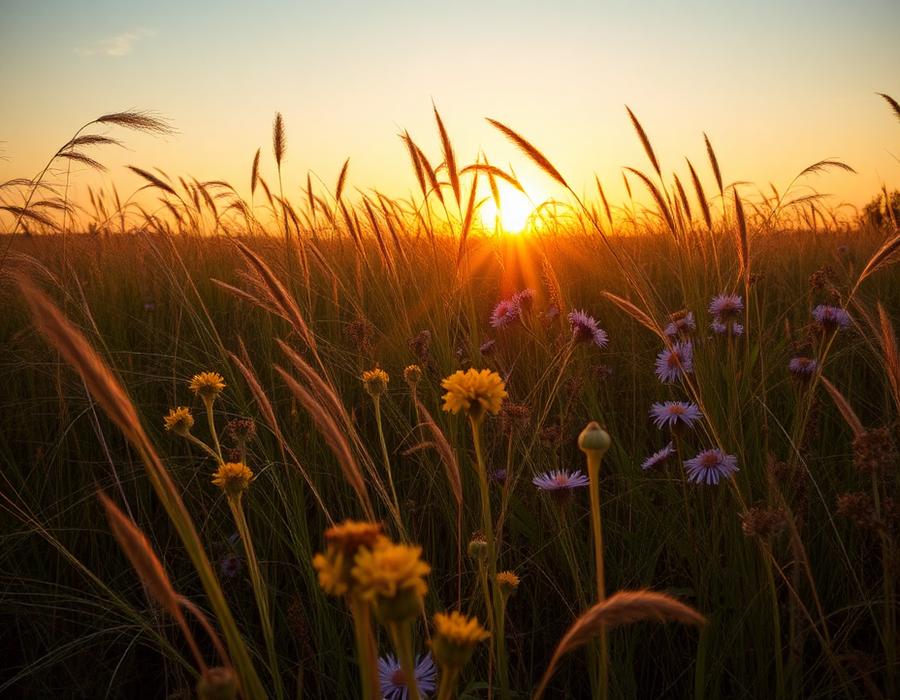
Beggarticks, also called bur marigold, is a fall-blooming annual wildflower that covers itself in bright yellow daisy flowers through September and October when most other things are winding down. It grows naturally in wet prairies, stream margins, and disturbed moist areas, and in those conditions it produces an absolute carpet of yellow that rivals any cultivated fall garden. Monarchs on migration, painted ladies, and dozens of native bees work the flowers constantly on warm fall days. The downside, if you see it that way, is the seeds: they're the classic hitchhiker burs that cling to clothing and fur. The upside is they disperse effectively and the plant comes back reliably, filling in wherever conditions are right. Let it naturalize in a wet meadow or rain garden margin and it becomes an annual late-season gift.
A nursery-grown plant, ready for the ground.
Healthy, container-grown beggarticks propagated on-site at Hill House from regional genetics. Includes a one-page care card. We make every effort to supply plants as listed; occasionally we substitute a similar species of equal value.
- Sun
- Full sun
- Water
- Average
- Mature size
- 2–4 ft · 18–36 in wide
- Bloom time
- Late summer
- Bloom color
- Yellow
- USDA zones
- 3–9
- Family
- Asteraceae
- Native range
- Eastern and Central United States
Care notes for beggarticks.
Full sun in moist to wet, average to fertile soil. Self-sows freely and naturalizes into permanent colonies. Thin seedlings in spring if dense stand develops. No staking, fertilizing, or deadheading needed. The clinging seeds are a feature for wildlife dispersal. or pull plants before seed set if you prefer to limit spread.
Pairs well with these.
Same light, same soil, same wildlife. Janet's picks to plant alongside beggarticks.
Or skip the guesswork.
Curated packages bundle complementary species for an instant habitat. One reservation, one pickup day, a printed layout map.
Skyline Drive Package
This package celebrates the world renowned “Skyline Drive” by featuring native plant species encountered along the Skyline Drive in Shenandoah National Park.
Piedmont Rain Garden Package
For homeowners with a yard that floods when it rains, this package is your solution! The Piedmont Swale Garden Package is comprised of flood tolerant species that will thrive in wet soils.
Exceptional Patio Garden Package
The Exceptional Patio Garden Package is a low maintenance, fool proof way to guarantee an endless color show for you and your guests to enjoy all patio season long.