Purple Lovegrass
Eragrostis spectabilis
A reddish-purple haze of florets floats over fine foliage in late summer, shifting to copper. Thrives in dry, sandy soil on almost no water.
Typically 1 pint–1 gal · $9–$30 · final price at pickup
- Thu, Oct 158 AM – 4 PM
- Fri, Oct 168 AM – 4 PM
- Sat, Oct 178 AM – 2 PM
Nothing else gives you this kind of pink-purple fall haze in a dry, sunny spot.
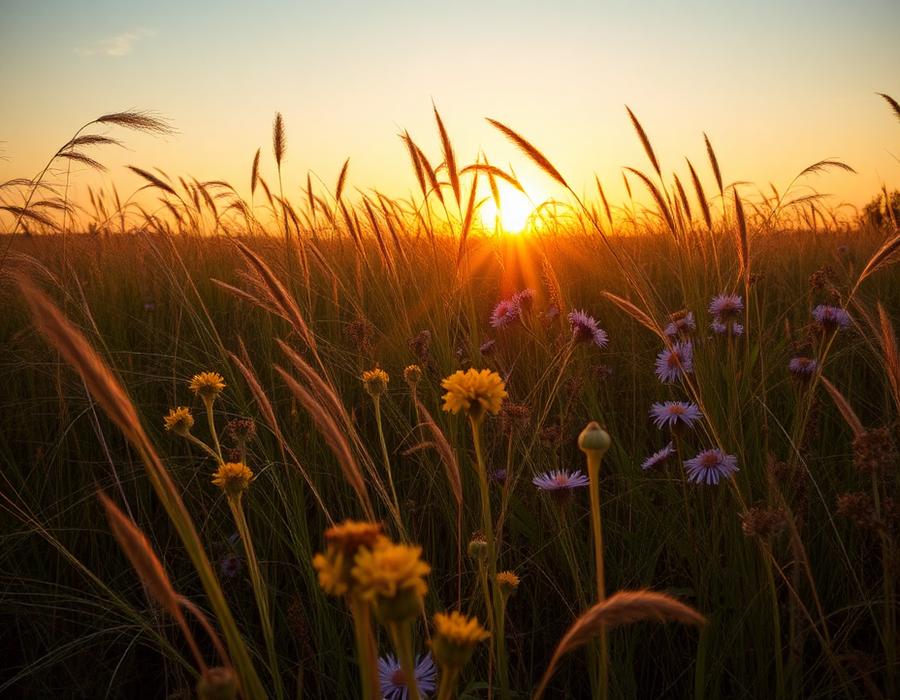
In late summer and fall, Purple Lovegrass earns its name spectacularly: a cloud of tiny reddish-purple florets erupts above fine-textured foliage, catching every slant of afternoon light like a living haze. The airy seedheads move with even the lightest breeze, shifting from deep burgundy to a warm copper as the season cools, and they hold their color well into winter. This tough little grass thrives exactly where other plants struggle: dry, sandy soils and full sun. Roadside banks, gravel gardens, and sunny slopes are its natural habitat. It seeds itself gently into the landscape without becoming weedy, filling gaps with delicate texture that heavier perennials can't provide. Goldfinches and sparrows work the seedheads through fall and into early winter. Cut it back to a few inches in late winter before new growth emerges. That's the full care list. A plant that delivers this much fall color on this little water is a genuinely rare thing.
A nursery-grown plant, ready for the ground.
Healthy, container-grown purple lovegrass propagated on-site at Hill House from regional genetics. Includes a one-page care card. We make every effort to supply plants as listed; occasionally we substitute a similar species of equal value.
Plant purple lovegrass instead of Pampas grass (Cortaderia selloana). Same job in the garden, without the spread.
- Sun
- Full sun
- Water
- Dry
- Mature size
- 1–2 ft · 18–30 in wide
- USDA zones
- 5–9
- Family
- Poaceae
- Native range
- Eastern and central North America, from Maine to Florida and west to the Great Plains
Care notes for purple lovegrass.
Plant in full sun and well-drained to dry soil. avoid heavy clay. Water once or twice to establish, then leave it alone. Cut back to 2–3 inches in late winter before new growth starts. No fertilizer needed; rich soil actually reduces the fall color display. Self-seeds modestly and can be divided in spring.
Pairs well with these.
Same light, same soil, same wildlife. Janet's picks to plant alongside purple lovegrass.
Or skip the guesswork.
Curated packages bundle complementary species for an instant habitat. One reservation, one pickup day, a printed layout map.
Skyline Drive Package
This package celebrates the world renowned “Skyline Drive” by featuring native plant species encountered along the Skyline Drive in Shenandoah National Park.
Piedmont Rain Garden Package
For homeowners with a yard that floods when it rains, this package is your solution! The Piedmont Swale Garden Package is comprised of flood tolerant species that will thrive in wet soils.
Exceptional Patio Garden Package
The Exceptional Patio Garden Package is a low maintenance, fool proof way to guarantee an endless color show for you and your guests to enjoy all patio season long.