Woodland Phlox
Phlox divaricata 'Blue Moon'
A deeper violet-blue woodland phlox for April and May, fragrant and loved by early bees. Plant in drifts of five or more for full effect.
Typically 1 pint–1 gal · $9–$30 · final price at pickup
- Thu, Oct 158 AM – 4 PM
- Fri, Oct 168 AM – 4 PM
- Sat, Oct 178 AM – 2 PM
A richer, deeper blue selection of wild woodland phlox that brightens shaded spring gardens with fragrant blooms and consistent pollinator activity.
'Blue Moon' brings a deeper, richer violet-blue to the spring woodland garden than the straight species. The fragrant flowers open in April and May when woodland wildflowers are at their peak, bridging the gap between the earliest spring ephemerals and the longer-season perennials that follow. The color is striking planted alongside white trilliums or the yellow of celandine poppy. It forms a low, spreading mat of semi-evergreen foliage that fills in nicely under deciduous shrubs and trees. Bees find it reliably: it's one of the first phlox to bring native solitary bees into the yard each spring. Plant in drifts of five or more for the best effect; single plants get lost in the landscape.
A nursery-grown plant, ready for the ground.
Healthy, container-grown woodland phlox propagated on-site at Hill House from regional genetics. Includes a one-page care card. We make every effort to supply plants as listed; occasionally we substitute a similar species of equal value.
Plant woodland phlox instead of Sweet Woodruff (Galium odoratum). Same job in the garden, without the spread.
- Sun
- Part sun
- Water
- Average
- Mature size
- 10"–1.3' · 12–18 in wide
- Bloom time
- April–May
- USDA zones
- 3–8
- Family
- Polemoniaceae
- Native range
- Eastern North America. moist deciduous woods from Quebec to South Dakota south to Florida and Texas
Care notes for woodland phlox.
Plant in partial to full shade in moist, humus-rich soil. Keep consistently moist, especially during summer. Divide every three years to maintain vigor. Trim back lightly after blooming if the plant sprawls. Avoid overhead watering in humid conditions to reduce powdery mildew risk. Semi-evergreen foliage provides winter interest in milder years.
Pairs well with these.
Same light, same soil, same wildlife. Janet's picks to plant alongside woodland phlox.
Or skip the guesswork.
Curated packages bundle complementary species for an instant habitat. One reservation, one pickup day, a printed layout map.
Skyline Drive Package
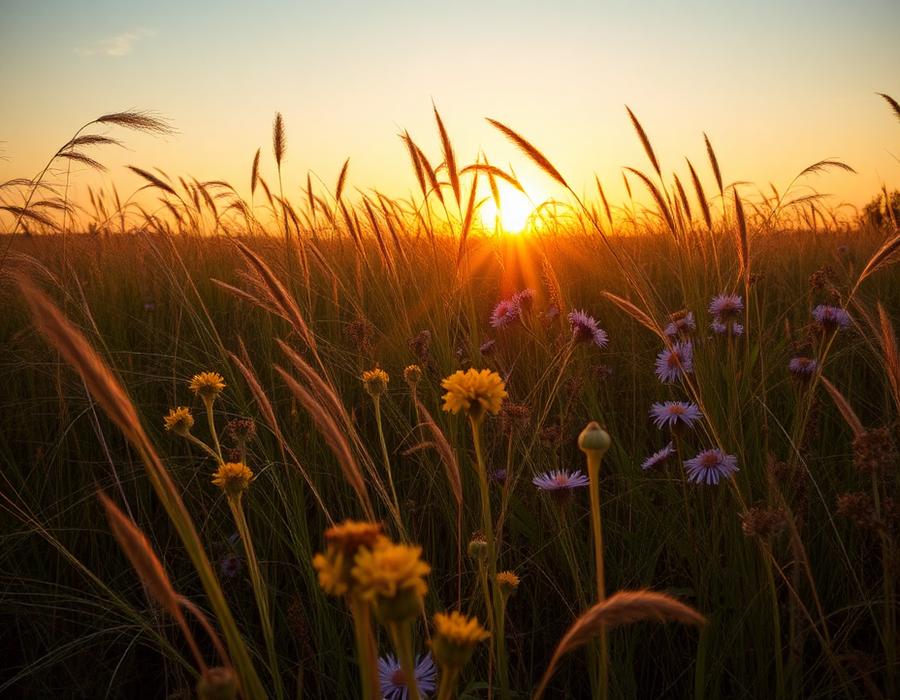
This package celebrates the world renowned “Skyline Drive” by featuring native plant species encountered along the Skyline Drive in Shenandoah National Park.
Piedmont Rain Garden Package
For homeowners with a yard that floods when it rains, this package is your solution! The Piedmont Swale Garden Package is comprised of flood tolerant species that will thrive in wet soils.
Exceptional Patio Garden Package
The Exceptional Patio Garden Package is a low maintenance, fool proof way to guarantee an endless color show for you and your guests to enjoy all patio season long.