Upland Willow
Salix humilis
The willow that doesn't need a stream. Silver catkins feed emerging queen bumblebees in early spring, and it thrives in dry upland soil.
Typically 1 quart–3 gal · $17–$85 · final price at pickup
- Thu, Oct 158 AM – 4 PM
- Fri, Oct 168 AM – 4 PM
- Sat, Oct 178 AM – 2 PM
A willow that tolerates dry soil and delivers early spring catkins. it's the pollen bridge for pollinators when nothing else is open.
Upland willow is the willow that doesn't need a stream: it grows in dry to average upland soils where no other willow performs. Fuzzy gray-silver catkins in early spring make it one of the earliest pollen sources of the year, arriving when queen bumblebees are just emerging and almost nothing else is open. The catkins are showy enough to be the reason you plant it. At three to six feet, this is a manageable, multi-stem shrub that works in meadow plantings, along dry woodland edges, or at the back of a naturalized border. More than 100 lepidopteran species use willows as larval hosts. The wildlife leverage of planting any willow is enormous, and this one asks for far less in return than its wetland relatives.
A nursery-grown plant, ready for the ground.
Healthy, container-grown upland willow propagated on-site at Hill House from regional genetics. Includes a one-page care card. We make every effort to supply plants as listed; occasionally we substitute a similar species of equal value.
- Sun
- Full sun
- Water
- Average
- Mature size
- 3–6 ft · 36–60 in wide
- USDA zones
- 3–8
- Family
- Salicaceae
- Native range
- Eastern North America
Care notes for upland willow.
Full sun to part shade, dry to average soil. Drought tolerant once established. No pruning required, but cut back to the ground every three to five years to rejuvenate. Spreads by root suckering. manage or welcome. No fertilizing needed.
Pairs well with these.
Same light, same soil, same wildlife. Janet's picks to plant alongside upland willow.
Or skip the guesswork.
Curated packages bundle complementary species for an instant habitat. One reservation, one pickup day, a printed layout map.
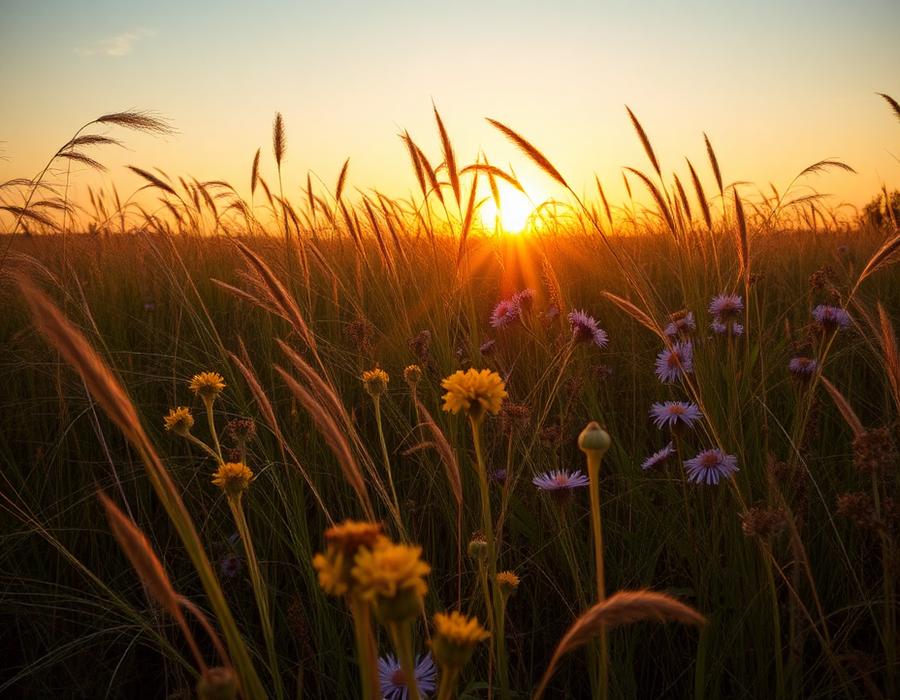
Skyline Drive Package
This package celebrates the world renowned “Skyline Drive” by featuring native plant species encountered along the Skyline Drive in Shenandoah National Park.
Piedmont Rain Garden Package
For homeowners with a yard that floods when it rains, this package is your solution! The Piedmont Swale Garden Package is comprised of flood tolerant species that will thrive in wet soils.
Exceptional Patio Garden Package
The Exceptional Patio Garden Package is a low maintenance, fool proof way to guarantee an endless color show for you and your guests to enjoy all patio season long.