Blue-eyed Grass
Sisyrinchium angustifolium
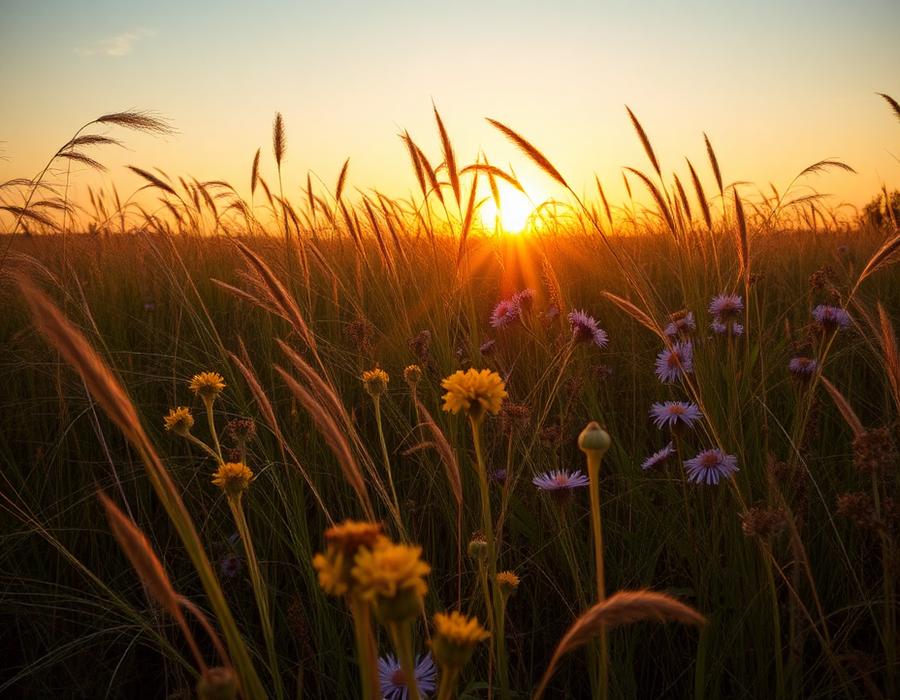
An iris hiding in grass-like clumps: violet-blue stars with yellow centers make a blue haze at ankle height in late spring.
Typically 1 pint–1 gal · $9–$30 · final price at pickup
- Thu, Oct 158 AM – 4 PM
- Fri, Oct 168 AM – 4 PM
- Sat, Oct 178 AM – 2 PM
Small, perfect, and reliably charming. the blue flowers at lawn height in late spring are a detail that makes people stop and look, and it's nearly effortless to grow.
Blue-eyed Grass is a member of the iris family hiding inside grass-like foliage: the flat, narrow leaves form tight clumps that blend seamlessly into a lawn or meadow edge, until late spring arrives and the small, bright violet-blue flowers with their distinctive yellow centers open above the foliage. Each flower is tiny and star-shaped, about half an inch across, but they appear in profusion along the winged stems for several weeks from May through June. The effect in a meadow planting or at the edge of a rain garden is a blue haze at ankle height. Plant Blue-eyed Grass where it can naturalize in moist, sunny conditions: along a path edge, in a meadow lawn mix, or at the margins of a rain garden. It self-seeds into open soil without becoming weedy, and the low, grassy clumps are nearly invisible out of bloom. In a container or at the front of a perennial border it provides charming detail in late spring when planted in small groups. The flowers close in the afternoon and on cloudy days, opening fresh each morning.
A nursery-grown plant, ready for the ground.
Healthy, container-grown blue-eyed grass propagated on-site at Hill House from regional genetics. Includes a one-page care card. We make every effort to supply plants as listed; occasionally we substitute a similar species of equal value.
- Sun
- Full sun
- Water
- Average
- Mature size
- 6"–1' · 6–10 in wide
- Bloom time
- Late spring
- Bloom color
- Yellow, Purple, Blue
- USDA zones
- 3–9
- Family
- Iridaceae
- Native range
- Eastern North America from Newfoundland south to Florida; moist meadows, wet prairies, stream margins, open woodlands
Care notes for blue-eyed grass.
Full to part sun, moist to average well-drained soil. Tolerates brief wet conditions. Self-seeds readily in open soil. transplant or thin seedlings as needed. Divide crowded clumps in spring every three to four years. Trim off old flower stalks after blooming. Virtually pest and disease free. Good container plant if kept consistently moist.
Pairs well with these.
Same light, same soil, same wildlife. Janet's picks to plant alongside blue-eyed grass.
Or skip the guesswork.
Curated packages bundle complementary species for an instant habitat. One reservation, one pickup day, a printed layout map.
Skyline Drive Package
This package celebrates the world renowned “Skyline Drive” by featuring native plant species encountered along the Skyline Drive in Shenandoah National Park.
Piedmont Rain Garden Package
For homeowners with a yard that floods when it rains, this package is your solution! The Piedmont Swale Garden Package is comprised of flood tolerant species that will thrive in wet soils.
Exceptional Patio Garden Package
The Exceptional Patio Garden Package is a low maintenance, fool proof way to guarantee an endless color show for you and your guests to enjoy all patio season long.