New York Ironweed
Vernonia noveboracensis
The most saturated purple in the native palette, four to seven feet tall just as monarchs migrate. Goldfinches work the seed heads through fall.
Typically 1 pint–1 gal · $9–$30 · final price at pickup
- Thu, Oct 158 AM – 4 PM
- Fri, Oct 168 AM – 4 PM
- Sat, Oct 178 AM – 2 PM
The deepest purple of any native late-summer perennial, and a monarch magnet during peak migration. nothing else delivers that combination.
New York Ironweed announces itself in late summer with clusters of the most saturated purple flowers in the native plant palette, a color so intense it looks almost artificial against the blue late-summer sky. Growing four to seven feet in moist soils, it's a back-of-border presence that earns its footprint during the six-week window when monarchs are migrating and nectaring pollinators are at peak activity. The flat-topped flower clusters open in August and hold through September, followed by russet seed heads that goldfinches work through the fall. This is a meadow and rain garden plant at heart, native to moist, low areas along stream banks and wet meadow margins throughout the mid-Atlantic. It spreads modestly by rhizome and self-seeds, which makes it ideal for naturalizing in difficult low spots where drainage is slow. Cut it back hard in late June to reduce height by a foot or two and encourage branching, or let it run tall and stake if needed. Either way, the pollinator payoff in late summer is enormous.
A nursery-grown plant, ready for the ground.
Healthy, container-grown new york ironweed propagated on-site at Hill House from regional genetics. Includes a one-page care card. We make every effort to supply plants as listed; occasionally we substitute a similar species of equal value.
Plant new york ironweed instead of Purple loosestrife (Lythrum salicaria) in moist areas. Same job in the garden, without the spread.
- Sun
- Full sun
- Water
- Average
- Mature size
- 4–7 ft · 24–36 in wide
- Bloom time
- Late summer
- Bloom color
- Purple
- USDA zones
- 5–9
- Family
- Asteraceae
- Native range
- Eastern North America, from Massachusetts south to Georgia; moist meadows, stream banks, and wet edges
Care notes for new york ironweed.
Full to part sun, moist to wet soil. Thrives in rain gardens, low areas, and sites that stay damp. Tolerates brief flooding. Cut back by one-third in late June to reduce final height and prevent flopping. Spreads by rhizome. thin annually to control spread in smaller gardens. Leave seed heads for goldfinches through winter. Cut to ground in early spring.
Pairs well with these.
Same light, same soil, same wildlife. Janet's picks to plant alongside new york ironweed.
Or skip the guesswork.
Curated packages bundle complementary species for an instant habitat. One reservation, one pickup day, a printed layout map.
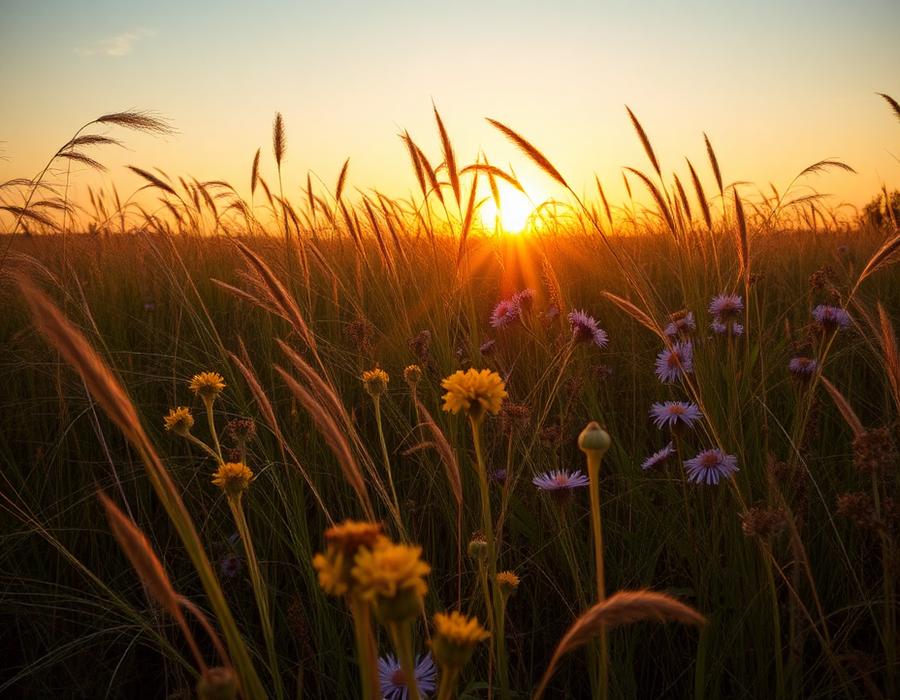
Skyline Drive Package
This package celebrates the world renowned “Skyline Drive” by featuring native plant species encountered along the Skyline Drive in Shenandoah National Park.
Piedmont Rain Garden Package
For homeowners with a yard that floods when it rains, this package is your solution! The Piedmont Swale Garden Package is comprised of flood tolerant species that will thrive in wet soils.
Exceptional Patio Garden Package
The Exceptional Patio Garden Package is a low maintenance, fool proof way to guarantee an endless color show for you and your guests to enjoy all patio season long.